Custom Magnesium CNC machining Services

Lightweight, high-strength magnesium parts machined to tight tolerances. Instant quotes & fast turnaround for prototypes and low-volume production.

Why Choose Magnesium for CNC Machining?

When it comes to CNC machining, choosing the right material is important for getting good results. Magnesium is a popular choice for many CNC machining projects, and there are several simple reasons for this.

First, magnesium is light in weight. Compared with other common metals used in CNC machining, such as aluminum or steel, magnesium is much lighter. This makes it a good option for parts that need to be light, like those used in aerospace, automotive, or electronic products. Lighter parts can help reduce the overall weight of the final product, which may improve efficiency and save energy. We employ strict safety measures for handling magnesium dust and chips, ensuring a safe production environment.
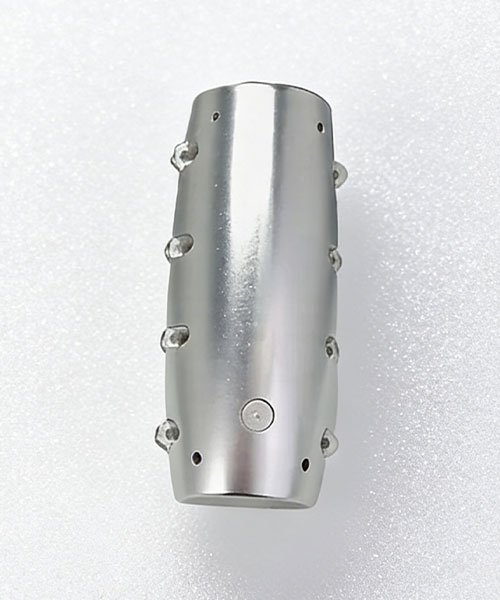
Custom CNC machined AZ31B magnesium alloy robot arm shell showing precision drilled holes and lightweight design.

Common Magnesium Grades for CNC Machining

AZ31B

AZ31B is one of the most popular magnesium grades for CNC machining. It has good ductility and strength, making it easy to machine into various shapes. This grade is often used for parts that require moderate strength and good formability, such as automotive components, electronic enclosures, and light structural parts. It also has good corrosion resistance when properly treated, which adds to its practicality.

AZ91D

AZ91D is a high-strength magnesium grade, often used for die-cast parts that require further CNC machining. It has excellent strength and hardness, making it ideal for load-bearing components, such as engine parts, gearboxes, and structural brackets. While it is slightly less ductile than AZ31B and AZ61A, it still machines well with proper tooling and parameters.

FAQs About CNC Machining Services

Yes, with proper safety equipment and coolant systems. We are experts in managing magnesium flammability risks.

The raw material is slightly more expensive, but faster machining speeds can often offset the cost.

Untreated magnesium can corrode. We recommend finishes like anodizing or e-coating to prevent this.

Standard lead times are typically 10–15 business days. Expedited services (Rapid Prototyping) can be completed in as little as 3–5 business days, depending on part complexity and material availability.

In most cases, we source materials from our approved suppliers to ensure quality control. However, we can machine customer-supplied materials for specialized alloys or specific requirements upon engineering review.

Unless otherwise specified, our general tolerance standard is ISO 2768-m (±0.125 mm) for metals and ±0.25 mm for plastics. Precision tolerances ±0.005 mm are achievable but must be explicitly stated in 2D technical drawings.

Our facility can accommodate parts up to 4000 x 1500 x 600 mm for milling and Ø200 mm x 500 mm for turning.

Yes. We can install inserts (e.g., Helicoils, PEM fasteners) and perform basic mechanical assembly of machined components prior to shipment.

To provide an accurate quote, we require a 3D CAD file (STEP, IGES, or X_T format). If the part has threaded holes, tight tolerances, or specific surface finish requirements, a 2D PDF drawing must also be provided.

We take IP protection seriously. All files are stored securely, and we are willing to sign a Non-Disclosure Agreement (NDA) prior to receiving your data.

Yes. We can provide material certificates (COA) and dimensional inspection reports upon request. Please specify this requirement when placing your order.

We ship globally using major carriers (DHL, FedEx, UPS). Shipping terms are typically Ex Works (EXW) or DAP, depending on the agreement.

Start your manufacturing project today

No Minimum Order Quantity (MOQ). Strict quality control. Fast global shipping.