
Over 50+ Engineering-Grade Materials for Custom CNC Machining
From rapid prototyping to end-use production. We stock a wide range of metals, plastics, and composites with full material traceability (CoC).
Metals
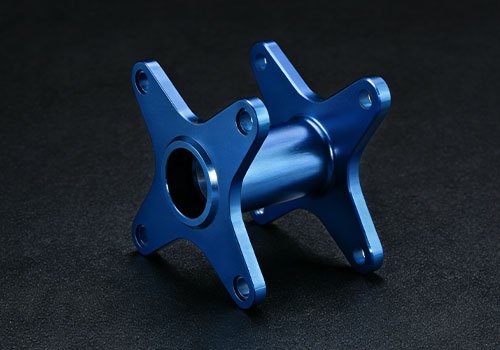
The most popular choice for both prototyping and mass production. Aluminum offers an exceptional balance of strength, weight, and corrosion resistance. It is highly machinable, allowing for rapid removal rates and complex geometries.
Popular Grades:
Al 6061-T6: The general-purpose workhorse. Excellent weldability and corrosion resistance. The best choice for Anodizing. Used in electronics housings, brackets, and auto parts.
Al 7075-T6: “Aerospace Grade”. Contains zinc for extreme strength (comparable to some steels) but is harder to weld. Ideal for high-stress components like drone frames, climbing gear, and aircraft molds.
Al 5052: Best for sheet metal and plates. Highest corrosion resistance against saltwater (Marine grade), but softer and “gumminess” makes it slightly harder to mill than 6061.
MIC-6 (Cast Plate): Stress-relieved aluminum plate. Used when flatness is critical (e.g., fixture base plates) as it won’t warp during machining.
Properties:
Machinability: ⭐⭐⭐⭐⭐ (Excellent – Fast & Cheap)
Strength-to-Weight: ⭐⭐⭐⭐ (Very Good)
Corrosion Resistance: ⭐⭐⭐⭐ (Good naturally, Perfect with Anodizing)
Cost: $ (Low)
Common Applications:
Consumer Electronics Enclosures (Casings), Automotive Heat Sinks, Aerospace Structures, Optical Fixtures, Custom Robot Parts.
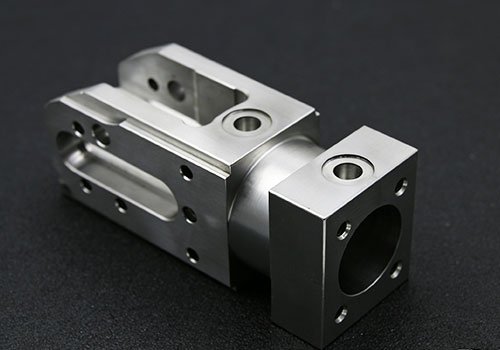
Ideally suited for parts requiring high corrosion resistance, hygienic surfaces, and high tensile strength.
Popular Grades:
SS303: Added sulfur for better machinability. Great for nuts, bolts, and fittings.
SS304 (18/8): The standard “food-grade” steel. Good balance of corrosion resistance and weldability.
SS316/316L: Contains molybdenum. Superior resistance to salt water and acids. Best for marine and medical devices.
17-4 PH: High hardness and strength. Heat-treatable. Used in aerospace.
Properties:
Machinability: ⭐⭐⭐ (Medium to Hard)
Corrosion Resistance: ⭐⭐⭐⭐⭐ (Excellent)
Cost: $ (Medium-High)
Surface Finish: ⭐⭐⭐⭐⭐ (Polishes well)
Common Applications:
Medical instruments, Marine hardware, Food processing machinery, Chemical tanks.
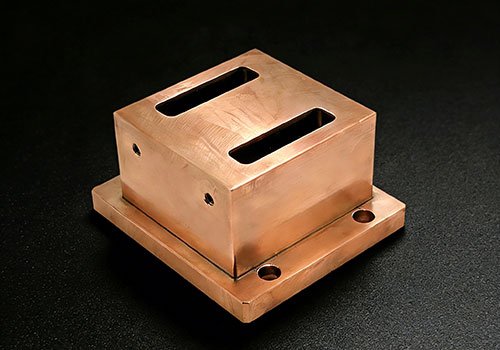
The gold standard for electrical and thermal applications. Copper offers the highest electrical conductivity of any commercial metal (second only to silver).
Popular Grades:
- C10100 (OFE – Oxygen-Free Electronic): 99.99% pure. The highest conductivity rating (101% IACS). Used in high-end audio, vacuum systems, and particle accelerators.
- C11000 (ETP – Electrolytic Tough Pitch): The most common copper (99.9%). Excellent for bus bars, wires, and electrical contacts.
- C14500 (Tellurium Copper): The “Free-Machining” grade. Contains tellurium to create short chips, making it ideal for complex, high-precision CNC parts without sacrificing much conductivity.
Properties:
Electrical Conductivity: ⭐⭐⭐⭐⭐ (Best in class)
Thermal Conductivity: ⭐⭐⭐⭐⭐ (Excellent for Heatsinks)
Machinability: ⭐⭐⭐ (Pure copper is tricky; C145 is easy)
Cost: $$$ (High)
Common Applications:
Heatsinks, Bus bars, EDM Electrodes, Custom Electrical Contacts.
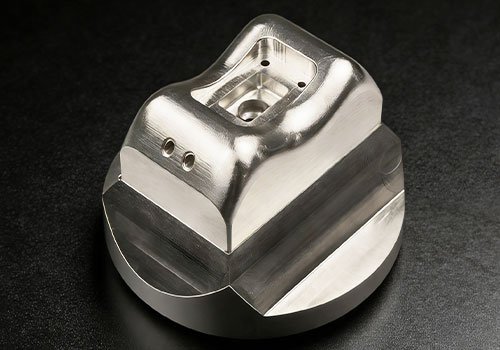
The ultimate choice for critical performance. Titanium offers the strength of steel at only 60% of the weight, plus exceptional biocompatibility.
Popular Grades:
Grade 2 (CP – Commercially Pure): Excellent corrosion resistance and formability. Best for chemical processing equipment and marine parts.
Grade 5 (Ti-6Al-4V): The “Workhorse” of the titanium industry. Extremely high strength and heat resistance. Used in aircraft turbines, engine components, and structural parts.
Grade 23 (Ti-6Al-4V ELI): “Extra Low Interstitial”. A higher purity version of Grade 5. The top standard for medical implants (bone screws, dental posts) due to superior fracture toughness.
Properties:
Strength-to-Weight Ratio: ⭐⭐⭐⭐⭐ (World Class)
Biocompatibility: ⭐⭐⭐⭐⭐ (Safe for human body)
Machinability: ⭐⭐ (Difficult – Generates high heat)
Cost: $$$$$ (Very High)
Common Applications:
Medical Implants (Bone screws/Plates), Aerospace Turbine Blades, Automotive Valve Retainers, High-end Consumer Electronics frames (e.g., iPhone Pro style).
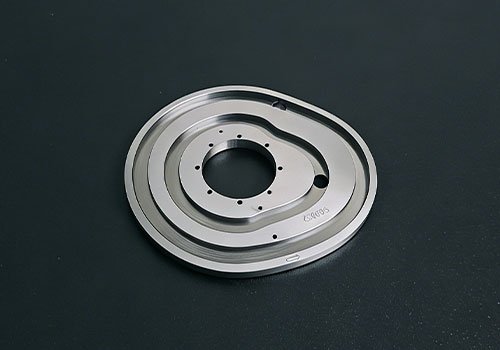
Engineered for parts that face extreme stress, impact, and wear. By adding elements like Chromium and Molybdenum, alloy steels offer significantly higher strength than standard carbon steel.
Popular Grades:
AISI 4140 (Chromoly): The industry standard for high-strength parts. Excellent toughness and impact resistance. Widely used for axles, bolts, and structural parts.
AISI 4340: Nickel-Chromium-Molybdenum alloy. Offers deeper hardenability and higher fatigue strength than 4140. Critical for aerospace landing gears and heavy-duty shafts.
AISI 8620: A “Case-Hardening” steel. It creates a hard, wear-resistant outer surface (Case) while maintaining a tough, ductile core. Perfect for Gears and Camshafts.
Properties:
Tensile Strength: ⭐⭐⭐⭐⭐ (Very High after heat treat)
Wear Resistance: ⭐⭐⭐⭐⭐ (Excellent)
Machinability: ⭐⭐⭐ (Good in annealed state)
Cost: $(Moderate – Excellent value for performance)
Common Applications:
Automotive Transmission Gears, Drive Shafts, Hydraulic Components, High-strength Fasteners, Mold components.
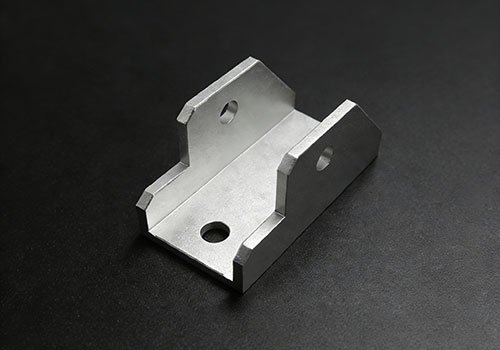
The lightest of all structural metals. Magnesium offers an unbeatable strength-to-weight ratio and exceptional vibration dampening capabilities. While many shops avoid magnesium due to flammability risks, XINGDA employs strict Class D safety protocols and specialized coolants, allowing us to machine high-precision magnesium parts safely and efficiently.
Popular Grades:
AZ31B (Wrought/Plate): The most common grade for CNC machining. Good strength and ductility. Ideal for milling custom brackets, plates, and housings from solid blocks.
AZ91D (Die-Cast): Commonly used in die casting, but we also machine it. Offers higher strength and better corrosion resistance than AZ31B, though slightly harder to machine.
Properties:
Weight: ⭐⭐⭐⭐⭐ (The Lightest Metal)
Vibration Dampening: ⭐⭐⭐⭐⭐ (Absorbs shock better than Al)
Machinability: ⭐⭐⭐⭐⭐ (Cuts very fast, short chips)
Corrosion Resistance: ⭐⭐ (Poor – Requires coating)
Common Applications:
Drone Frames (UAV), Robotics Arms, Handheld Camera Gimbals, Aerospace components, Electronic housings.
Plastics
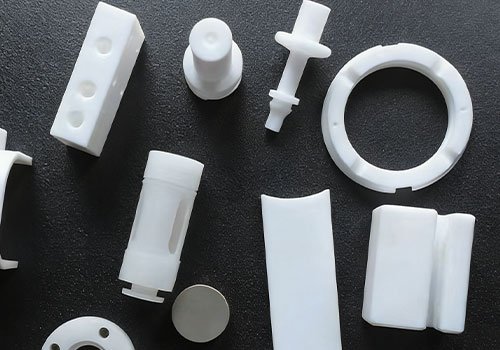
Bridging the gap between metals and plastics. Delrin® offers high stiffness, low friction, and excellent dimensional stability. Unlike Nylon, it absorbs very little moisture, making it ideal for high-precision parts in humid environments. It is the easiest plastic to machine, allowing for tight tolerances and burr-free surface finishes.
Popular Grades:
Acetal Copolymer: The standard grade. Offers better chemical resistance and is free of “centerline porosity” (voids in the center of the rod). Best for food processing and medical parts.
Delrin® : DuPont’s trade name. Slightly higher tensile strength and stiffness than POM-C, but prone to centerline porosity in thick sections. Ideal for high-load gears.
Delrin AF (PTFE-Filled): Blended with Teflon fibers. Used for parts requiring extreme low friction and self-lubrication, like sliding bearings.
Properties:
Machinability: Excellent
Dimensional Stability: Holds tolerance well
Friction Coefficient: Very Low – Slippery
Common Applications:
Precision Gears, Bushings & Bearings, Conveyor System Rollers, Electronic Fixtures/Jigs, Sliding Plates.
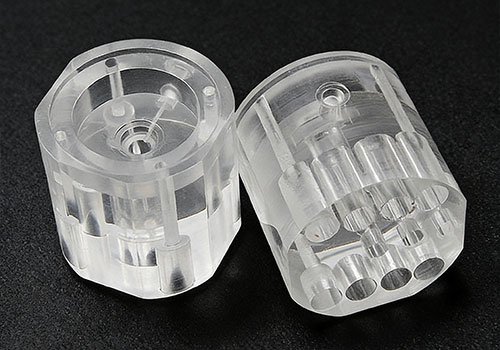
The clear choice for optical applications. Acrylic offers 92% light transmission (clearer than glass) and superior UV resistance (won’t yellow outdoors). It is stiffer and harder than Polycarbonate, offering better scratch resistance.
Popular Grades:
Cast Acrylic: The preferred grade for CNC machining. It has higher molecular weight, making it harder and less likely to melt or gum up the tool. Polishes to a brilliant shine.
Extruded Acrylic: (Avoided for CNC) Cheaper but has high internal stress. It tends to melt and gum up cutters, and cracks easily.
Tinted/Colored Acrylic: Available in translucent colors (smoked, red, blue) for automotive lighting and displays.
Properties:
Optical Clarity: ⭐⭐⭐⭐⭐ (Better than Glass)
Scratch Resistance: ⭐⭐⭐ (Better than PC, worse than Glass)
Impact Strength: ⭐⭐ (Brittle – can crack if dropped)
UV Resistance: ⭐⭐⭐⭐⭐ (Excellent for outdoors)
Common Applications:
Light Pipes, Lenses, Instrument Panels, Exhibition Displays, Medical Manifolds (Clear).
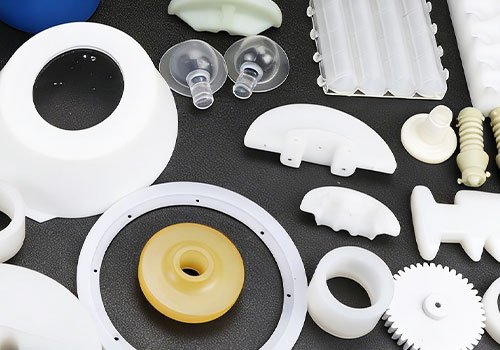
The most widely used thermoplastic for rapid prototyping and consumer goods. ABS strikes an excellent balance between impact strength, heat resistance, and low cost. Its superpower lies in its post-processing versatility: it is easy to sand, glue, paint, and even chrome plate. This makes it the #1 choice for “Looks-Like” and “Works-Like” visual models.
Popular Grades:
General Purpose ABS: Usually Natural (Beige/Cream) or Black. Used for 90% of prototyping needs. Excellent machinability.
Flame Retardant ABS (UL94 V-0): Contains additives to prevent burning. Essential for electronic enclosures and appliances that need to meet safety certification standards.
Transparent ABS: (Less common) Used when some clarity is needed but Polycarbonate is too expensive or difficult to finish.
Properties:
Machinability: ⭐⭐⭐⭐⭐ (Easiest to cut)
Finishing (Painting/Gluing): ⭐⭐⭐⭐⭐ (The Best)
Impact Strength: ⭐⭐⭐ (Good, typically used for Lego bricks)
Cost: $ (Very Low)
Common Applications:
Electronic Housings (Routers, Remotes), Automotive Interior Panels (Dashboards), Pre-mold Prototypes, Consumer Appliances.
The go-to plastic for parts that need to withstand high impact and wear without cracking. Nylon offers high mechanical strength and natural lubricity, making it perfect for moving mechanical parts like gears and bearings. Note: Nylon is hygroscopic (absorbs moisture), which causes it to swell slightly.
Popular Grades:
PA6 (Natural/Black): The standard grade. Tough, easy to machine, and cost-effective. Excellent for general-purpose structural parts.
PA66: Harder, stiffer, and higher heat resistance than PA6. Preferred for automotive engine components and high-load mechanical parts.
PA66 + 30% GF (Glass Filled): Reinforced with glass fibers. Significantly higher strength and stiffness (closer to metal), and less moisture absorption.
Properties:
Impact Strength: ⭐⭐⭐⭐⭐ (Excellent – Won’t crack)
Wear Resistance: ⭐⭐⭐⭐⭐ (Great for gears)
Dimensional Stability: ⭐⭐ (Poor – Swells with water)
Machinability: ⭐⭐⭐ (Generates stringy chips)
Common Applications:
High-load Gears, Sliding Bearings, Power Tool Housings, Wear Pads, Snap-fit joints.
The toughest transparent plastic on the market. Polycarbonate is 250 times stronger than glass and significantly tougher than Acrylic (PMMA). It is the ideal material for structural glazing, safety shields, and high-impact prototypes. Note: As-machined PC parts appear translucent (frosted/cloudy).
Popular Grades:
Standard PC (Clear): High clarity and impact resistance. Used for machine guards, lenses, and light pipes. Often referred to by trade names Lexan (SABIC) or Makrolon (Covestro).
UV-Stabilized PC: Standard PC yellows over time in sunlight. This grade prevents degradation, making it ideal for Outdoor enclosures and automotive headlight covers.
Glass-Filled PC: Sacrifice some transparency for extreme stiffness and strength. Used in internal structural components where aesthetics matter less.
Properties:
Impact Strength: ⭐⭐⭐⭐⭐ (The highest among clear plastics)
Optical Clarity: ⭐⭐⭐⭐ (Very good after polishing)
Scratch Resistance: ⭐⭐ (Low – Easier to scratch than Acrylic)
Machinability: ⭐⭐⭐ (Good, but sensitive to coolants)
Common Applications:
Bullet-proof windows, Safety Goggles, Headlight Lenses, Medical Device housings, Electronic Display screens.
The ultimate metal replacement. PEEK combines the strength and stiffness of metals with the chemical resistance of specialized plastics. Capable of continuous operation at 260°C (500°F), it is widely used in aerospace, semiconductor, and medical industries.
Popular Grades:
Virgin PEEK (Unfilled): The standard grade (usually tan/beige color). Excellent chemical resistance and biocompatibility. FDA compliant for food and medical contact.
Carbon-Fiber Filled PEEK (30% CF): Black color. Offers maximum compressive strength and stiffness, significantly reducing thermal expansion. Ideal for high-load aerospace parts.
Glass-Filled PEEK (30% GF): Beige/brownish. Increased rigidity and creep resistance compared to virgin PEEK, better electrical insulation.
Medical Implant Grade (PEEK-OPTIMA): Specifically certified for long-term bodily implantation (e.g., spinal cages).
Properties:
Temperature Resistance: ⭐⭐⭐⭐⭐ (The Best Plastic)
Chemical Resistance: ⭐⭐⭐⭐⭐ (Resists almost everything)
Strength: ⭐⭐⭐⭐⭐ (Highest among unreinforced plastics)
Cost: $$$$$ (Very High)
One of the most versatile plastics in the world. PE is known for its extreme chemical resistance, low moisture absorption, and “waxy” non-stick surface. It is chemically inert and FDA-compliant, making it the standard for food processing equipment. While it cannot hold tolerances as tight as POM or PEEK due to its softness, it is unbeatable for impact resistance and sliding applications.
Popular Grades:
HDPE (High-Density Polyethylene): Great strength-to-density ratio. Rigid enough for structural parts like chemical tanks, cutting boards, and machine guards. Easy to machine.
UHMW-PE (Ultra-High Molecular Weight): The ultimate wear plastic. It has extremely long molecular chains, making it highly resistant to abrasion and impact. Ideal for conveyor guides, wear strips, and star wheels in bottling plants.
LDPE (Low-Density): (Usually not machined) Too soft for CNC. Generally used for flexible tubing or squeeze bottles.
Properties:
Chemical Resistance: ⭐⭐⭐⭐⭐ (Excellent – resists acids/bases)
Friction Coefficient: ⭐⭐⭐⭐⭐ (Very Low – Slippery)
Impact Strength: ⭐⭐⭐⭐⭐ (Dents rather than shatters)
Machinability: ⭐⭐⭐ (Easy to cut, but prone to burrs)
Common Applications:
Conveyor Guide Rails, Food Processing Cutting Boards, Star Wheels, Chemical Chutes, Marine Bumpers.
The lightest of all major plastics (it floats on water). PP is prized for its exceptional resistance to organic solvents, acids, and electrolytes. Its unique fatigue resistance allows for the creation of “Living Hinges” (thin sections that bend repeatedly without breaking). Note: PP is a soft, “gummy” material that tends to leave fuzzy burrs during machining. It is best suited for functional prototypes (tanks, pipes) rather than cosmetic parts.
Popular Grades:
PP Homopolymer (General Purpose): High strength to weight ratio. Offers excellent chemical resistance and is stiffer than copolymer. Ideal for chemical tanks and laboratory equipment.
PP Copolymer: Softer but tougher. Offers better impact strength, especially at low temperatures (doesn’t crack in the cold). Best for automotive bumpers and battery cases.
Glass-Filled PP: (Less common in CNC) Used when higher stiffness and heat resistance are needed under the hood of cars.
Properties:
Chemical Resistance: ⭐⭐⭐⭐⭐ (Excellent – Acids/Bases)
Fatigue Resistance: ⭐⭐⭐⭐⭐ (The Best for Hinges)
Surface Finish: ⭐⭐ (Difficult to get smooth)
Common Applications:
Chemical Storage Tanks, Automotive Reservoirs, Battery Cases, Living Hinge Prototypes (Flip-top caps), Orthopedic Supports.
Famous for its non-stick properties and almost universal chemical resistance. PTFE operates continuously at 260°C, making it ideal for high-temp seals and insulators. It has the lowest coefficient of friction of any solid material.
Machining Warning: PTFE is soft and prone to “Cold Flow” (creeping under stress) and high thermal expansion.
Popular Grades:
Virgin PTFE (White): Pure, FDA-compliant, and offers the best chemical resistance and electrical insulation. However, it is soft and deforms under load.
Glass-Filled PTFE (Off-White/Gray): Reinforced with glass fibers to improve compressive strength and reduce cold flow. Harder on tools but holds tolerances better.
Carbon-Filled PTFE (Black): Excellent wear resistance and thermal conductivity. Often used for piston rings and dynamic seals where static electricity dissipation is needed.
Properties:
Friction Coefficient: ⭐⭐⭐⭐⭐ (The Best – Slippery)
Chemical Resistance: ⭐⭐⭐⭐⭐ (Inert to almost everything)
Temperature Resistance: ⭐⭐⭐⭐⭐ (High)
Dimensional Stability: ⭐ (Poor – Moves with temp)
Common Applications:
Chemical Seals & Gaskets, Valve Seats, Semiconductor Wafer Carriers, High-temp Insulators, Non-stick Bushings.