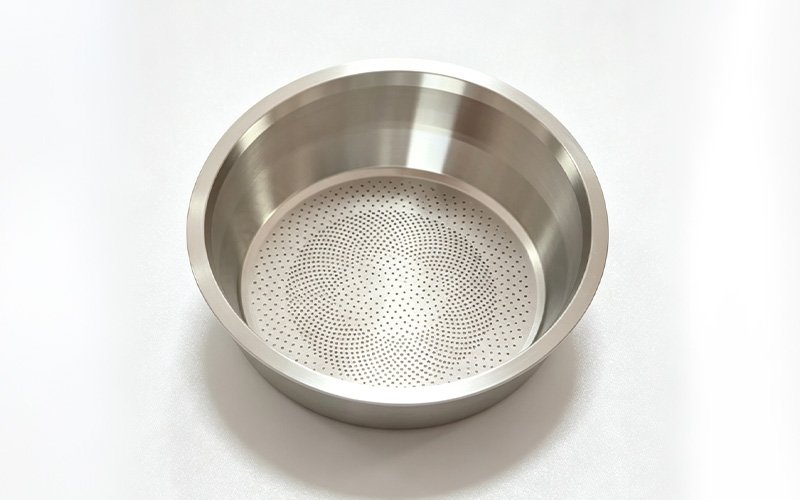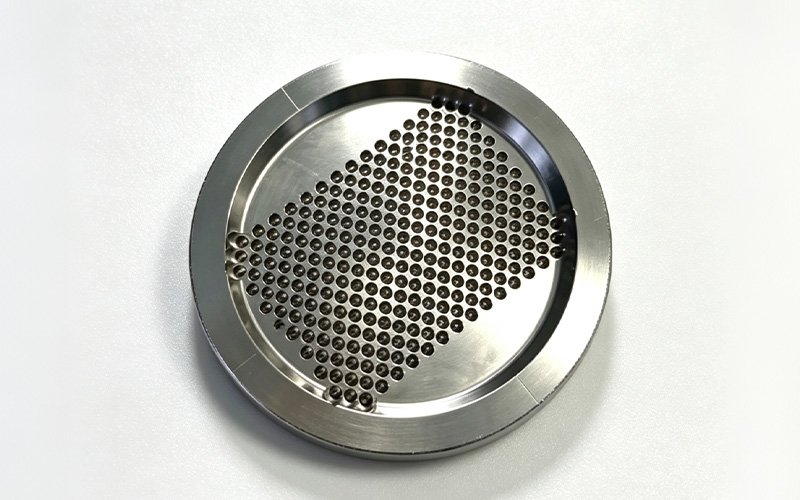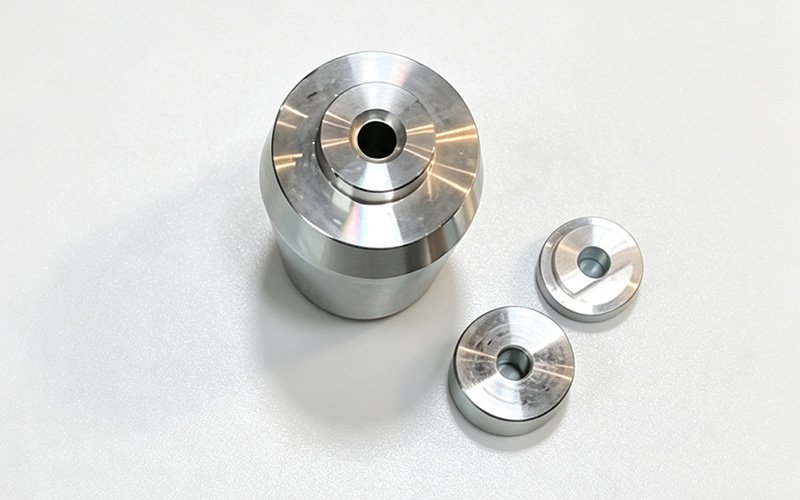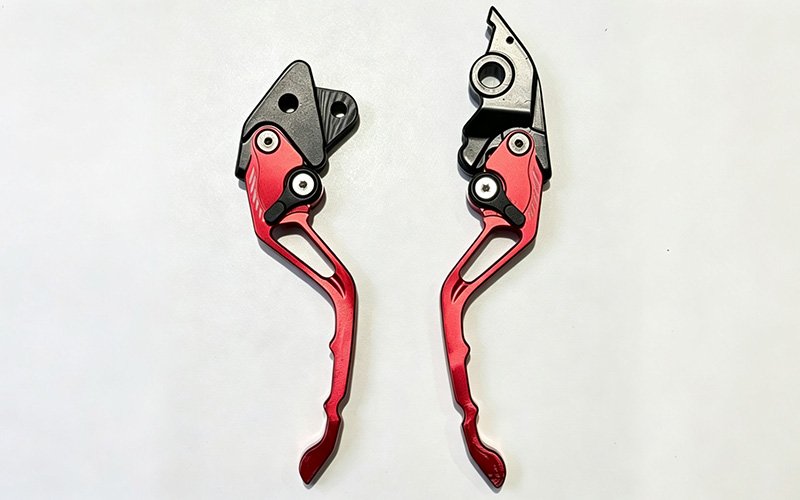
What is CNC Milling?
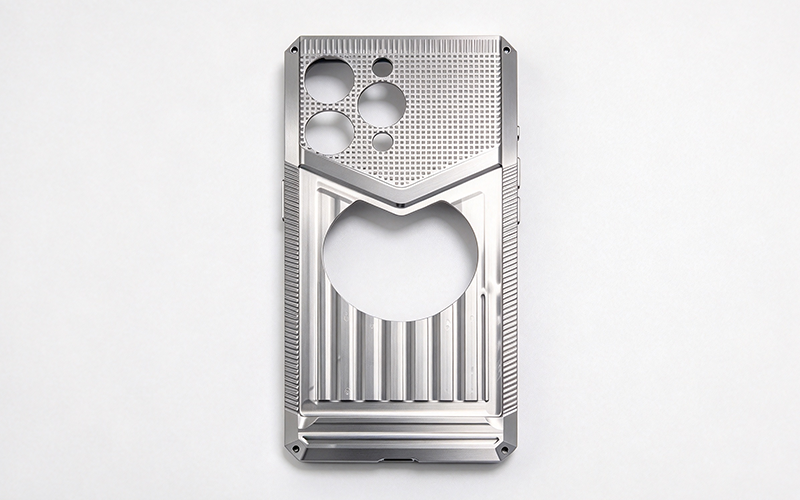
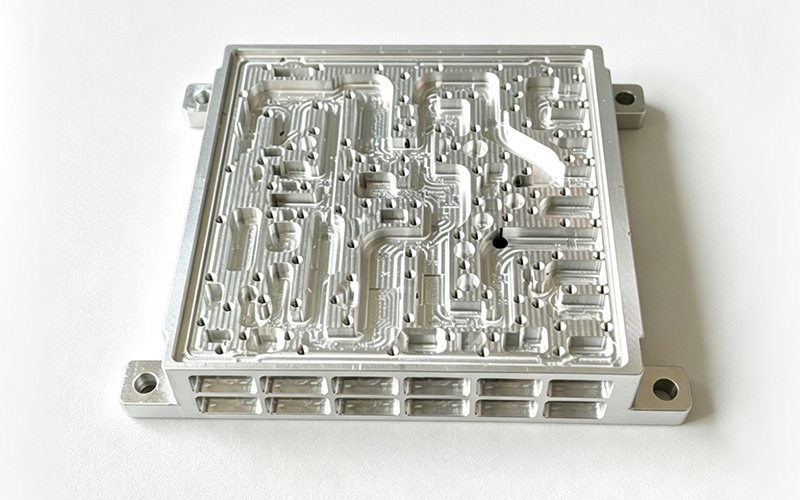
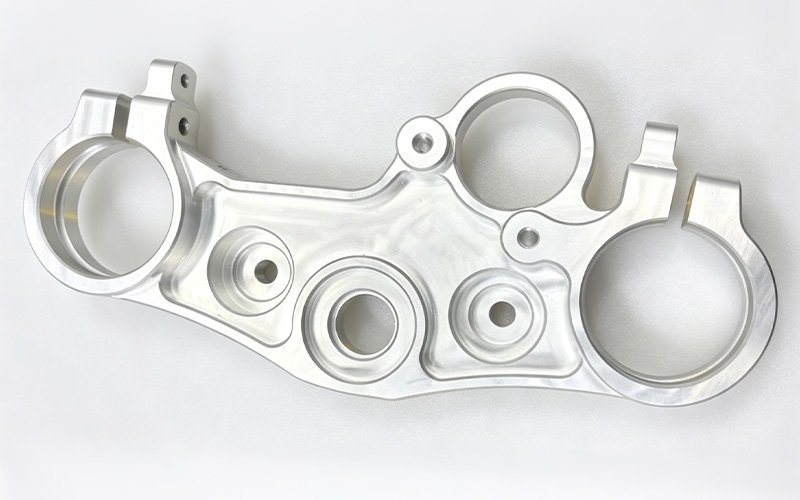
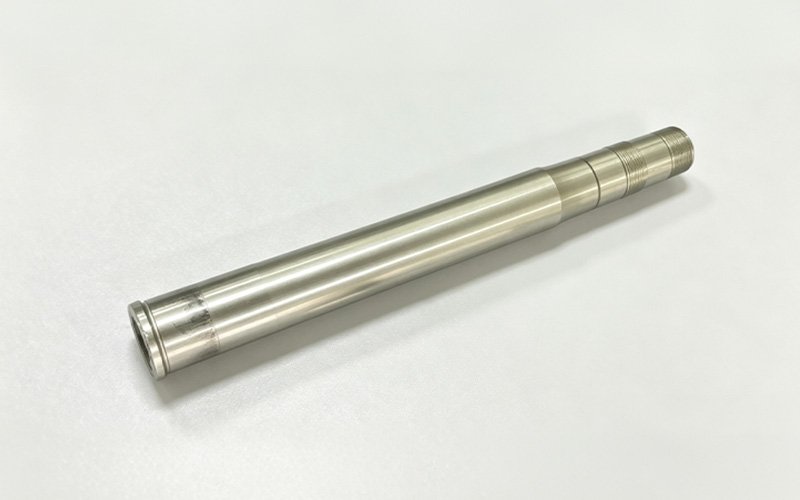
As a subtractive manufacturing process, CNC milling uses rotating cutters to shape parts from raw stock. Our capabilities extend from basic machining tasks, such as drilling and slotting, to the execution of complex 3D contours and geometries.
This process delivers high precision and repeatability, making it an effective solution for both design verification prototypes and low-volume production. It is compatible with a diverse material inventory, ranging from easy-to-machine aluminum and plastics to challenging alloys like titanium, meeting strict engineering requirements.

3-Axis Milling
The standard process for manufacturing parts with relatively simple geometries. The cutting tool moves along the X, Y, and Z axes. This method is suitable for creating planar features, holes, and threaded profiles.
5-Axis Milling
5-axis machining involves simultaneous movement along linear axes (X, Y, Z) and rotary axes (A, B). This capability allows the tool to approach the workpiece from almost any direction. It is necessary for machining complex, organic shapes and undercuts.
CNC Milling Materials
We machine a broad range of materials. Below are the most commonly requested categories:
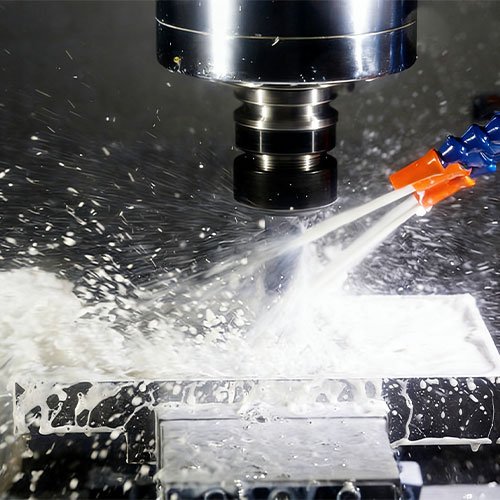
Metal CNC Milling
Milling is the primary method for manufacturing high-precision metal parts. We process various ferrous and non-ferrous metals — from soft aluminum alloys to hard tool steels and titanium — to produce components with high tensile strength, heat resistance, and tight dimensional tolerances. Commonly Milled Metals:
- Aluminum (6061, 7075, 5052): Selected for its high strength-to-weight ratio and excellent machinability. Widely used in aerospace and structural applications.
- Stainless Steel (303, 304, 316L, 17-4PH): Chosen for corrosion resistance and chemical stability. Common in medical devices and food processing equipment.
- Carbon & Alloy Steel (1018, 4140, A2 Tool Steel): Used for parts requiring high hardness, wear resistance, and durability.
- Brass & Copper (C360, C110): Utilized for electrical conductivity, thermal properties, and low-friction applications.
- Titanium (Grade 2, Grade 5): Machined for applications requiring extreme strength and biocompatibility despite its low weight.
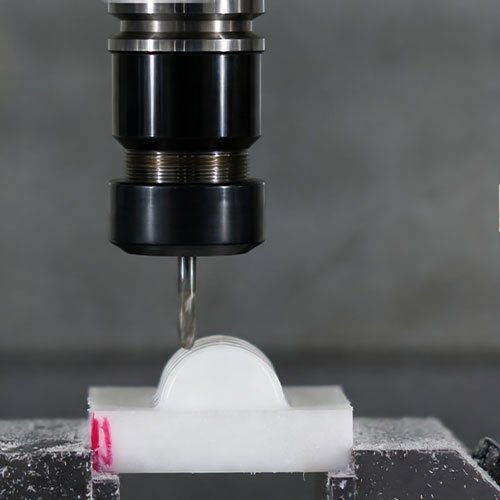
Plastic CNC Milling
Machining plastic requires a different approach than metal to prevent material deformation, melting, or chipping. We utilize sharp tooling, specific spindle speeds, and coolant strategies to maintain dimensional stability and surface quality. Our service covers both thermoplastics and thermosets for prototypes and end-use production. Commonly Milled Plastics:
- ABS: A cost-effective material with good impact resistance. Standard for prototyping and enclosures.
- Delrin (POM): Known for high stiffness, low friction, and dimensional stability. Ideal for gears, bushings, and precision mechanical parts.
- Nylon (PA6, PA66): Offers high wear resistance and toughness. Suitable for bearings and slide pads.
- PEEK: A high-performance plastic with exceptional thermal and chemical resistance. Used in demanding aerospace and medical environments.
- Polycarbonate (PC): Transparent and tough. Used for optical components and high-impact covers.
- PTFE (Teflon): Features extreme chemical resistance and a low coefficient of friction.
CNC Milling Tolerances
We provide high-precision machining capable of holding tolerances down to ±0.005mm for critical features. This level of accuracy ensures that components strictly adhere to your dimensional specifications and assembly requirements.
| Category | Description |
| General Tolerances | Unless otherwise specified, standard tolerances for metals are ± 0.127 mm (± 0.005″) in accordance with ISO 2768-m. Tolerances for plastics and composites are generally ± 0.254 mm (± 0.010″) due to material properties. |
| Min Wall Thickness | Metals: 0.8 mm Plastics: 1.5 mm |
| Minimum Feature Size | 0.5 mm |
| Threads & Tapped Holes | M2 / #2-56 (Minimum) We can also machine custom threads. |
| Surface Finish | Unless post-processing is requested, parts are supplied with an as-machined surface of Ra 3.2 μm (125 μin). Visible tool marks may be present. |
| Edge Condition | Broken Edges (Deburred) |
| Maximum Part Size | 4000 x 1500 x 600 mm |
| Minimum Part Size | 5 x 5 x 5 mm |
FAQs About CNC Machining Services